
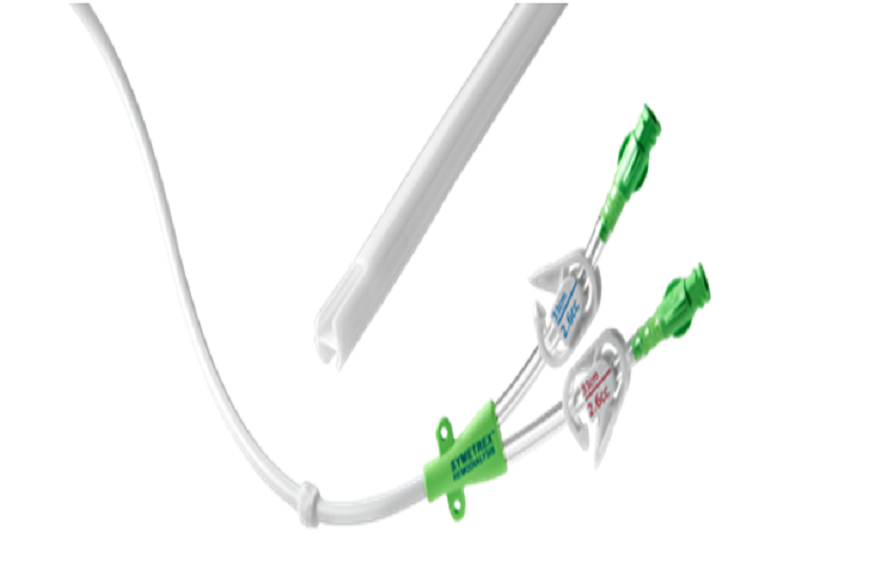
In healthcare settings, many systems technically function but still fail to support people properly. Equipment may meet requirements and pass checks, yet daily use tells a different story. Staff feels the difference during long shifts, patients feel it in delayed routines, and managers think it when small issues repeat. Choosing dialysis equipment is not just about whether it operates. It is about how reliably it supports care when conditions are not ideal. Working well means fewer interruptions and routines that feel more predictable for staff over time. When tools only work at a basic level, teams adapt constantly. This article will guide you through what separates basic operation from true performance, why it matters in real clinical settings, and how long-term thinking protects both staff and patients.
When basic operation becomes a daily burden
Equipment that only meets minimum standards often creates hidden effort. Controls function, but not smoothly. Alerts trigger, but not always at the right moment. Over time, staff stays alert for problems instead of focusing fully on care. That constant attention adds fatigue. Nurses and technicians adjust routines to avoid issues, which slowly becomes normal behavior. Working well means fitting into workflows naturally. Hospitals often notice that systems designed for real conditions reduce small disruptions. When processes feel smooth, staff energy goes toward patients, not monitoring devices. That difference shapes how teams evaluate systems after extended daily use.
How real use exposes true performance
Short demonstrations rarely show how systems behave over months of heavy use. Real performance appears during repeated treatments, staff rotation, and high patient loads. Hospitals often learn more from peers than from brochures. When reviewing support from a dialysis equipment supplier supporting long-term renal care, decision teams ask how technical issues usually occur, how quickly help arrives, and whether problems repeat. Daily use reveals patterns that tests cannot. Equipment that works well stays predictable across users and conditions. Equipment that only works acceptably demands attention, which quietly drains confidence over time.
Why support quality shapes long-term trust
Even strong systems need support. What defines the experience is how problems are handled. Slow responses and unclear guidance create anxiety that lingers. Over time, teams remember whether help arrived calmly or whether they were left waiting. A reliable clinical equipment supplier treats support as part of patient safety, not as a separate service function. Clear answers, realistic timelines, and follow-through reduce stress. When staff trusts support, they follow processes rather than take shortcuts. That trust supports operational consistency and team confidence in daily workflows when workloads rise.
Signs hospitals use to judge “working well.”
Hospitals rarely announce when something feels off. Instead, they watch patterns quietly
- How often do routines pause for unexpected adjustments
- Whether staff hesitate before starting sessions
- How do clear alerts and messages feel under pressure
- How easily new staff learn daily processes
- Whether maintenance fits into normal schedules
These signals show whether the equipment supports steady care or slowly adds strain. Systems that work well blend into daily practice. Systems that merely function demand attention.
Why long-term thinking protects operational stability
Patient needs do not stay static. Staff rotates, protocols change, and volumes increase. Equipment that adapts without disruption supports more predictable and stable daily operations. Long-term planning supports treatment consistency, which daily routines depend for both physical and emotional stability. When tools remain predictable, staff stays focused and less fatigued. Planning ahead reduces rushed fixes and emergency decisions. Hospitals that think beyond installation day often experience fewer breakdowns in trust, both within teams and among patients who rely on routine. Working well becomes part of the culture rather than a constant concern.
Conclusion
The difference between working and working well appears slowly. It shows up in calmer workflows, fewer interruptions, and teams that trust their routines. Equipment that truly supports care protects staff energy and patient confidence without drawing attention to itself.
Nexamedic reflects this long-view approach by emphasizing clear guidance, realistic planning, and consistent support beyond installation, helping healthcare teams rely on systems that continue to perform well as demands grow rather than creating new uncertainty.
FAQs
Q1. Why is “working well” more important than meeting basic standards?
Ans 1.Meeting standards confirms compliance, but working well reduces interruptions and daily friction, allowing staff to maintain steady routines without constantly adjusting to unpredictable equipment behavior during regular, high-pressure use.
Q2. How can hospitals identify true performance early?
Ans 2. By observing extended trials, speaking with current users, and noting how systems respond under routine pressure rather than ideal demonstrations or carefully controlled testing environments.
Q3. What most often erodes trust over time?
Ans 3. Repeated minor issues, delayed support responses, and unclear communication gradually weaken confidence, even when equipment continues to function within required technical specifications on paper.
Q4. How can teams assess long-term usability before final decisions?
Ans 4. Watching how easily staff recovers from missed steps, manage small errors, and maintain workflow consistency during busy periods often signals whether usability will remain stable over the long term.