
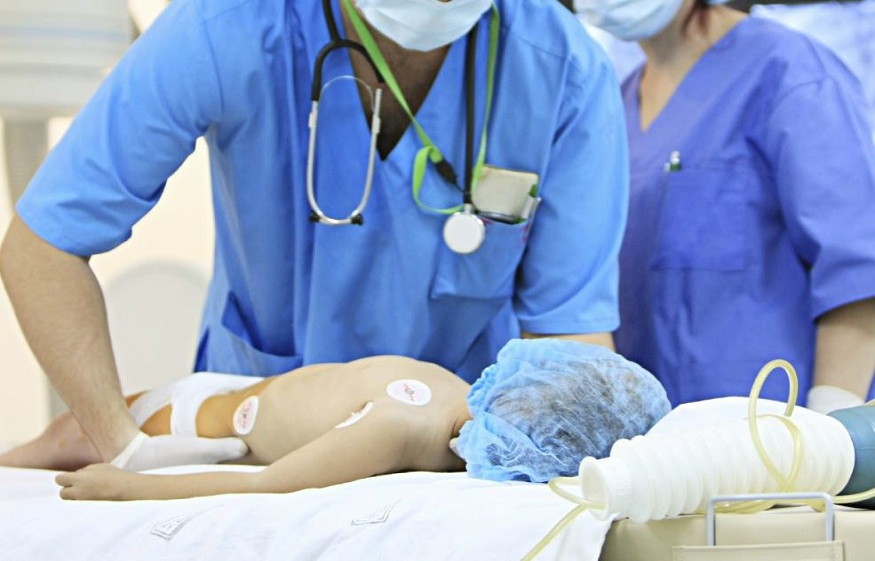
Tummy aches are part of childhood. Most are caused by constipation, a stomach bug or something they ate, and they pass on their own. Appendicitis is different. It is the most common reason for emergency abdominal surgery in children, and recognising it early can prevent serious complications.
What Is Appendicitis?
The appendix is a small, finger-shaped pouch attached to the large bowel, on the lower right side of the abdomen. Appendicitis happens when it becomes blocked and inflamed. Without treatment, the appendix can burst, spreading infection through the abdomen. This is called perforation, and it makes recovery longer and more difficult.
Appendicitis can happen at any age, but it is most common between the ages of 10 and 20.
What Are The Typical Signs In Older Children?
In school-age children and teenagers, appendicitis often follows a recognisable pattern:
- Pain that starts around the belly button and moves to the lower right side over several hours.
- Pain that gets steadily worse and worsens with movement, coughing, or going over bumps in the car.
- Loss of appetite, which is very common.
- Nausea or vomiting, usually after the pain has started.
- A mild fever.
- Children with appendicitis often prefer to lie still and may walk bent forward.
Why Is It Harder to Spot Young Children?
Toddlers and preschool children cannot always describe where it hurts. They may be irritable, refuse food, have a fever or vomiting, or seem generally unwell. Because the signs are less clear, appendicitis in young children is more likely to be found after the appendix has burst. Parents who sense that something is seriously wrong should seek help without delay.
Read More: Enhancing Golden Years: How to Choose the Right Elder Concierge Service
When Should I Go to the Emergency Department?
Seek urgent medical care if your child has abdominal pain that is getting worse, pain in the lower right side, pain with fever and vomiting, a tense or very tender tummy, or if they seem very unwell, drowsy or unusually pale. If you are worried, do not wait until the morning.
While waiting to be seen, avoid giving food in case surgery is needed, and do not give laxatives. Ask the doctor before giving pain relief so it does not hide important signs, although it is safe to treat pain once the child has been assessed.
How Is Appendicitis Diagnosed?
Diagnosis begins with a careful examination. Blood tests look for signs of infection and inflammation. An ultrasound scan is usually the first imaging test in children, as it uses no radiation. Sometimes the picture is unclear, and the child is observed for a few hours and re-examined.
How Is It Treated?
The usual treatment is surgery to remove the appendix, called an appendicectomy. In most children, this is done by keyhole, or laparoscopic, surgery, using a few small cuts. Children with uncomplicated appendicitis often go home within a day or two. If the appendix has burst, they may need a longer stay and several days of antibiotics.
In selected cases of early, uncomplicated appendicitis, some surgeons may discuss treatment with antibiotics alone. This approach is not suitable for everyone, and the surgical team will explain the options.
Recovery At Home
After keyhole surgery, most children are back at school within one to two weeks and can return to sport after a few weeks, once the wounds have healed. Contact the team if your child develops a fever, worsening pain, vomiting or redness around the wounds.
Read More: The Difference between Working and Working Well in dialysis equipment
Choosing Where To Go
Parents often search for the best hospital for paediatric surgery in Dubai, but in an emergency the most useful questions are practical: Is a paediatric surgeon available around the clock, and is the team used to examining and caring for young children?
Where is Emergency Surgery For Children Available in Dubai?
Aster Hospital Dubai, which has five healthcare facilities across Mankhool, Al Qusais, Muhaisnah and Jebel Ali, including a Day Surgery Centre in Mankhool, offers paediatric surgery as one of more than 35 specialities, supported by over 300 beds and more than 200 doctors. Families looking for a paediatric emergency surgery hospital will find that its paediatric surgery department treats urgent conditions in children, including appendicitis.
Parents know their children best. If a tummy ache feels different, trust that instinct and have it checked.